The development of a home-scale manufacturing process.
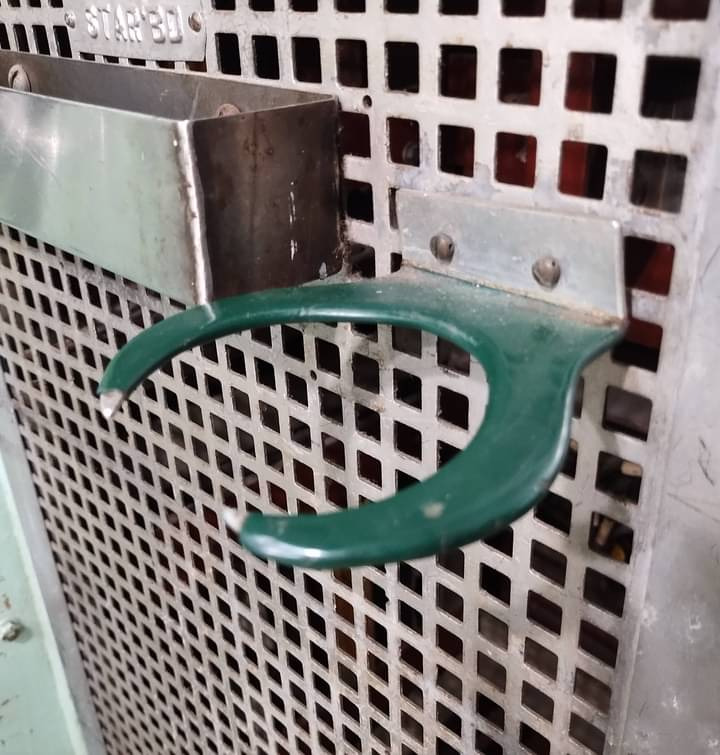
The zarf,
A holder, typically decorative and made of metal, used to hold a hot coffee cup, especially in the Middle East. It’s designed to protect hands from the heat of the cup, particularly those without handles”
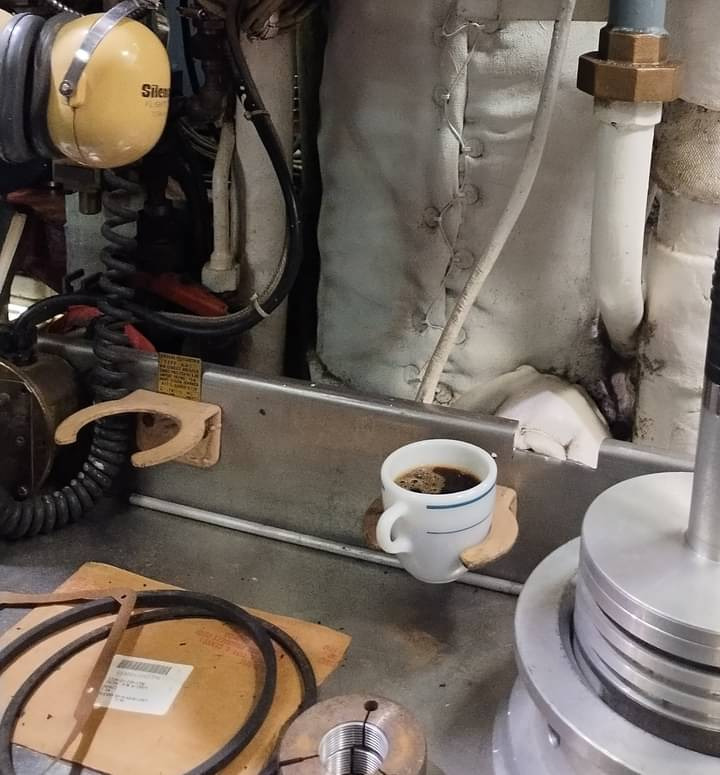
Or, a whimsical name used on some U.S. Navy ships for cup holders fixed in place in various locations aboard ships. When I was in the Navy zarfs were as ordinary as coasters on a coffee table. Like coasters, zarfs have a protective role. Unlike coasters, zarfs protect the deck from splashes of coffee and shattered crockery by preventing mugs from sliding off horizontal surfaces during rolls, or angles & dangles. They were functional and unremarkable, like light switches, butt kits, and all the many other little things we habitually use in daily life.
Zarfs I found on museum ships recently caught my attention in a new way. This time they were tangible items from my past and also glimpses into a possible interesting future. They were physical artifacts from my youth that, to be honest, made me a little nostalgic. However, everything I’ve learned since the Navy showed the zarf as a fairly simple manufacturing problem to solve, and a fun thing to make.
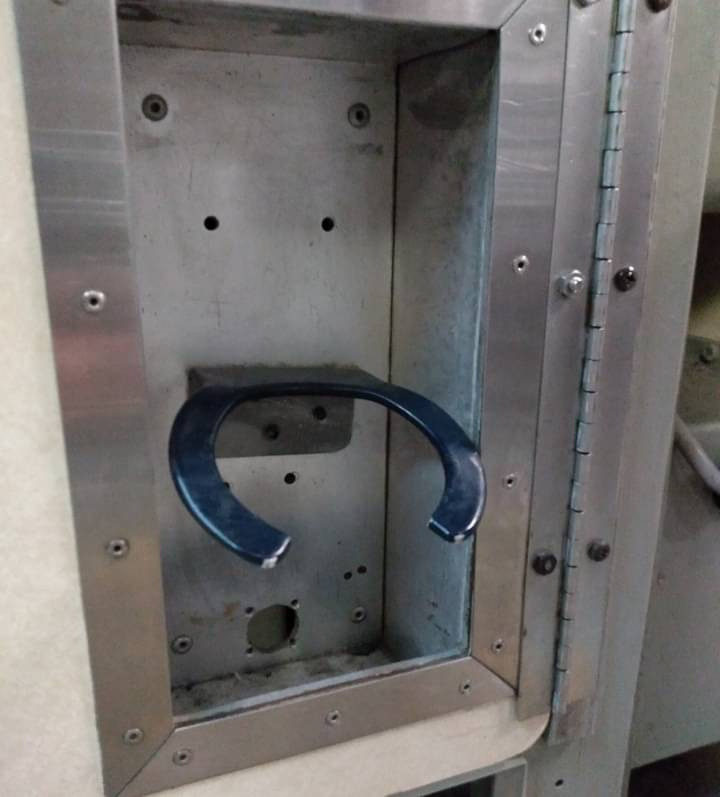
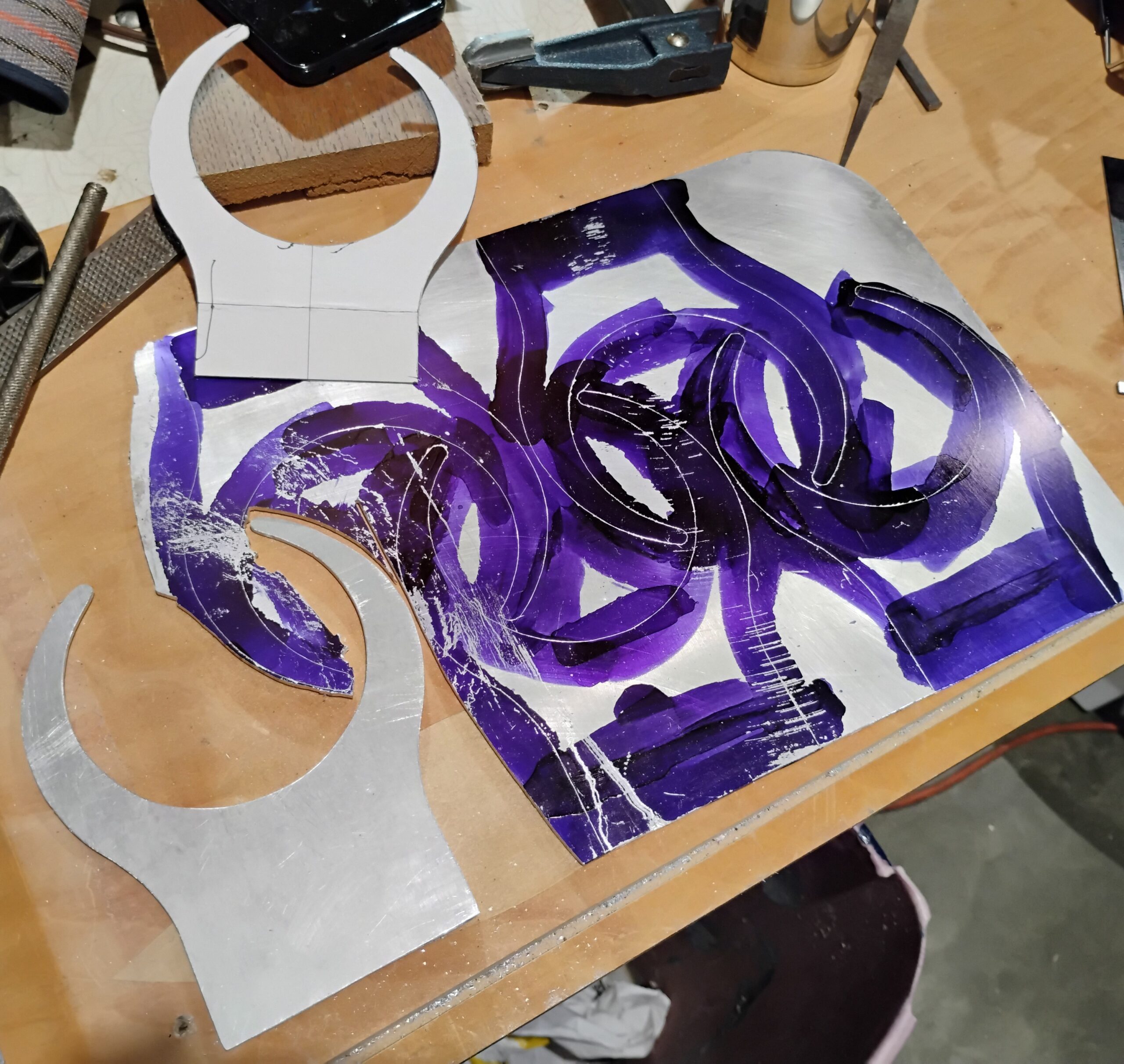
I set out to make zarfs. Not just one or two, as a hobbyist might. No, I decided I should share my zarfs with the world. I set out to develop a manufacturing process that can crank zarfs out consistently and regularly, even if not in high volume mass production. A process that could make enough that I can give them away as gifts, and even sell some, if I can make them of high enough quality. It turns out that the process isn’t as easy as I thought. There were a few bumps along the way. But that has made it even more interesting.
This is the story of setting up a zarf production line.